What Is Raw Dog Food and Why It’s Gaining Popularity?
February 28, 2026
In recent years, the pet food industry has witnessed a significant shift, with more dog owners exploring alternatives to traditional kibble and canned diets. Among these, raw dog food has emerged as a prominent choice, attracting attention for its promise of improved nutrition and overall canine health. This trend is not merely a fad; it reflects a growing awareness of the impact that diet has on a dog’s well-being. As pet owners become more discerning about ingredients, sourcing, and feeding practices, understanding raw dog food is becoming increasingly essential for responsible pet care. Moreover, the rise of holistic and natural pet care philosophies has driven interest in feeding dogs diets that closely resemble what they would eat in the wild. Veterinary studies and anecdotal evidence from dog owners have contributed to a broader conversation about the benefits of nutrient-dense, minimally processed diets.
Raw dog food, often referred to as a biologically appropriate raw food (BARF) diet, typically consists of uncooked meat, bones, fruits, vegetables, and supplements designed to mimic a dog’s natural diet. Advocates claim that raw feeding can lead to healthier coats, increased energy, better digestion, and stronger immune systems. However, it also requires careful planning, proper handling, and knowledge about nutritional balance to ensure the safety and effectiveness of the diet. Feeding raw can involve sourcing high-quality proteins, monitoring portion sizes, and incorporating essential nutrients through natural supplementation. This blog explores what raw dog food entails, why it is gaining popularity, and what pet owners need to know to make informed decisions, offering actionable insights for both new and experienced dog parents. By the end, readers will gain a comprehensive understanding of the raw feeding approach and practical tips for introducing it safely to their pets.
Understanding Raw Dog Food
What Is Raw Dog Food?
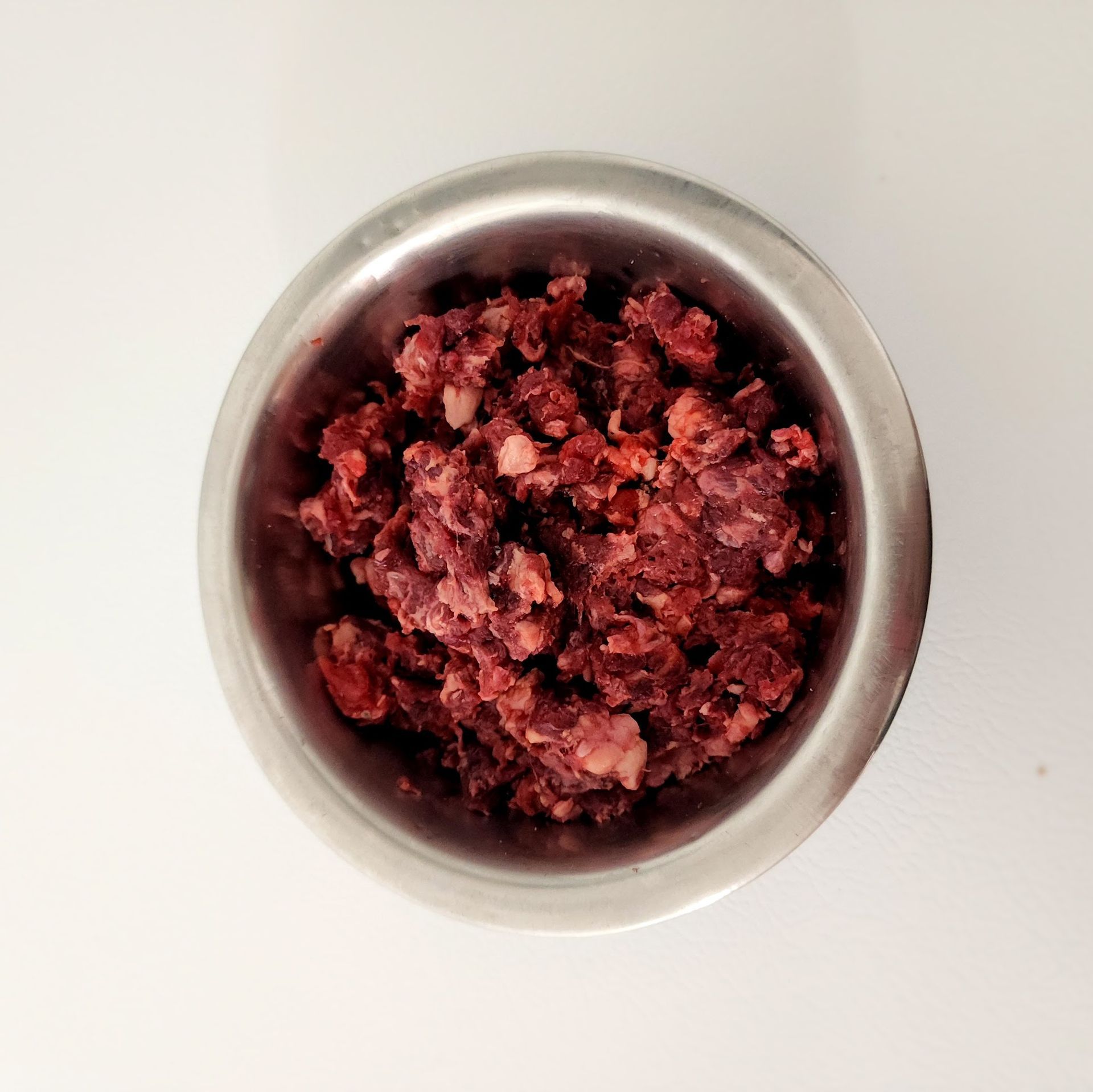
Raw dog food is a diet primarily composed of uncooked animal proteins, often complemented by raw vegetables, fruits, and other natural ingredients. The concept is grounded in the idea that domesticated dogs are genetically similar to their wild ancestors, such as wolves, whose diets consist largely of raw prey. Raw dog food comes in several forms, including:
- Frozen or Refrigerated Raw Meals: Ready-to-serve blends of raw meat, organs, and vegetables.
- Freeze-Dried Raw Food: Preserved raw ingredients that can be rehydrated before feeding.
- Home-Prepared Raw Diets: Meals prepared from scratch using fresh meat, bones, and supplements.
Unlike commercial kibble, which undergoes high-temperature processing that can destroy certain nutrients, raw dog food is designed to retain natural enzymes, vitamins, and minerals.
Key Components of a Raw Diet
A typical raw dog meal balances the following components:
- Muscle Meat – Primary source of protein for growth and energy.
- Organs – Rich in essential vitamins and minerals.
- Raw Bones – Provide calcium and help maintain dental health.
- Vegetables and Fruits – Supply fiber, antioxidants, and phytonutrients.
- Supplements – Added as needed for specific nutrients such as omega fatty acids.
Why It Appeals to Dog Owners
Dog owners are drawn to raw diets for several reasons:
- Natural Nutrition – Raw feeding mimics ancestral diets.
- Visible Health Improvements – Owners often report shinier coats, cleaner teeth, and higher activity levels.
- Ingredient Transparency – Easier to monitor quality and avoid fillers, additives, and preservatives.
Understanding the fundamentals of raw dog food helps pet owners evaluate whether this diet aligns with their dog’s health needs and lifestyle.
Benefits of Raw Dog Food
Enhanced Digestive Health
One of the primary benefits of feeding dogs a raw diet is improved digestion. Raw food contains natural enzymes that aid in breaking down food, making nutrients more bioavailable. Dogs with sensitive stomachs or chronic digestive issues may experience fewer bouts of diarrhea, gas, or constipation when switched to a properly balanced raw diet. For example, a dog suffering from frequent gastrointestinal upset on kibble may show noticeable improvement after several weeks on a raw diet.
Healthier Skin and Coat
Raw diets often lead to shinier coats and healthier skin. High-quality animal proteins provide essential amino acids, while omega-3 fatty acids from raw fish or supplements reduce inflammation and promote skin health. Dogs with dry, itchy skin may respond well to a nutrient-dense raw diet, experiencing reduced itching and fewer dermatological issues.
Dental and Oral Health Benefits
Chewing raw meaty bones helps mechanically clean teeth, reducing plaque and tartar buildup. Unlike processed kibble, which can stick to teeth, raw bones encourage natural chewing behavior, which is beneficial for dental hygiene. Additionally, raw diets are free from artificial additives that can contribute to oral health problems.
Increased Energy and Vitality
Many dog owners report heightened energy levels in pets fed a raw diet. Nutrient-dense raw meals provide sustained energy without the spikes and crashes associated with highly processed foods. This can be particularly beneficial for active or working dogs that require consistent energy throughout the day.
Weight Management and Lean Muscle Development
Raw diets are naturally high in protein and low in fillers, which supports lean muscle growth and healthy body weight. Dogs prone to obesity may benefit from a carefully monitored raw diet, as protein-rich meals tend to enhance satiety and reduce overeating tendencies.
While these benefits are compelling, it is essential to ensure the diet is nutritionally complete and prepared safely to avoid potential health risks.
Challenges and Risks of Raw Feeding
Nutritional Imbalance
Homemade raw diets can inadvertently lack essential nutrients if not properly balanced. Dogs require precise ratios of protein, fat, vitamins, and minerals, and an imbalance may lead to deficiencies or excesses over time. Consulting with a veterinary nutritionist or using commercially prepared raw meals can ensure nutritional adequacy.
Cost and Convenience
Raw dog food can be more expensive than traditional kibble due to high-quality ingredients and specialized handling. Additionally, it requires time for preparation, thawing, and careful portioning. Busy pet owners may need to plan weekly or monthly feeding schedules to maintain consistency and convenience.
Veterinary Considerations
Some dogs with medical conditions, such as kidney or liver disease, may not be suitable candidates for raw feeding. Regular veterinary check-ups and monitoring are recommended to ensure the diet supports overall health rather than exacerbates pre-existing conditions.
Understanding these challenges enables pet owners to make informed decisions and implement best practices that maximize benefits while minimizing risks.
Why Raw Dog Food Is Gaining Popularity
Rising Awareness of Canine Nutrition
Pet owners today are more informed than ever about canine nutrition. Access to veterinary research, online resources, and social media has exposed the limitations of processed dog food. This awareness has led many to explore raw diets as a more natural, nutrient-rich alternative.
Desire for Transparency and Quality Ingredients
Raw dog food offers transparency in sourcing and ingredients. Owners can choose meals with high-quality, ethically sourced meats and whole foods, avoiding fillers, artificial preservatives, and by-products. This control over diet resonates with those who prioritize their dog’s health and well-being.
Influence of Positive Owner Experiences
Word-of-mouth and social media sharing have amplified the perceived benefits of raw feeding. Pet owners who observe improvements in coat condition, energy levels, and digestive health often become advocates, influencing their communities to consider raw diets.
Alignment with Holistic Pet Care Trends
Raw feeding aligns with a broader movement toward holistic pet care. Just as humans are increasingly choosing organic, minimally processed, and nutrient-dense foods, pet owners are seeking similar quality and integrity in dog diets. This trend is reflected in the growth of raw dog food companies, subscription services, and specialized pet nutrition consultations.
The combination of these factors demonstrates why raw dog food is gaining traction in the industry, appealing to a growing segment of conscientious dog owners.
Dependable Raw Feeding Guidance from Experienced Specialists
Raw dog food represents a shift in pet nutrition toward more natural, biologically appropriate diets. With benefits ranging from improved digestion and dental health to increased energy and lean muscle maintenance, it offers compelling advantages for dogs of all ages and breeds. However, the diet requires careful planning, proper handling, and a commitment to hygiene to ensure both safety and nutritional adequacy. By understanding the fundamentals, potential risks, and best practices, dog owners can make informed decisions that support their pet’s overall health and well-being.
At Leo's Raw Dog Food, we have been dedicated to providing high-quality, safe, and nutritionally balanced raw dog meals for over 25
years in Chicago, Illinois. Our commitment to excellence stems from decades of experience in canine nutrition and a passion for improving dogs’ health through natural diets. Every meal we craft is rigorously tested for quality, sourced responsibly, and tailored to meet the unique needs of every dog. Whether you are exploring raw feeding for the first time or seeking a reliable long-term solution, Leo's Raw Dog Food
offers expert guidance, trustworthy products, and a proven track record of helping dogs thrive. Your pet’s health and vitality are our top priorities, and we pride ourselves on being a dependable partner in your dog’s nutritional journey.