Debunking Common Myths About Feeding Dogs Raw
April 26, 2026

Feeding dogs a raw diet has become one of the most debated topics in modern pet nutrition. As more pet owners move away from heavily processed foods, interest in raw feeding has surged, driven by the desire to provide meals that more closely resemble what dogs would consume in the wild. However, with this growing popularity comes a wave of misinformation, conflicting opinions, and persistent myths that can confuse even the most well-intentioned dog owners. Separating fact from fiction is essential to making informed decisions about a dog’s health and long-term wellbeing.
The raw feeding conversation often includes concerns about safety, nutritional balance, cost, and practicality. While some critics argue that raw diets are risky or unscientific, others advocate for their benefits, citing improved digestion, healthier coats, and increased energy levels. The truth lies in understanding the nuances of raw feeding rather than relying on generalized claims. By debunking common myths and examining the evidence, we can better evaluate whether a raw diet is appropriate and how to implement it responsibly, ensuring dogs receive optimal nutrition without unnecessary risk.
Myth 1: Raw Diets Are Inherently Dangerous
Understanding Bacterial Concerns
One of the most common arguments against raw feeding is the risk of bacterial contamination from pathogens such as Salmonella or E. coli. While these concerns are valid, they are often overstated. Dogs possess shorter digestive tracts and more acidic stomach environments, enabling them to manage bacteria more effectively overall.
Safe Handling and Storage Practices
Just as with preparing human-grade food, hygiene remains critical at all times. Washing hands, cleaning surfaces thoroughly, and storing raw ingredients at proper temperatures significantly reduce contamination risks. Freezing meat, sourcing high-quality ingredients, and preventing cross-contamination are practical, simple, and highly effective safety measures for responsible feeding practices daily.
Real-World Perspective
Commercial raw pet food manufacturers follow strict safety protocols, including comprehensive pathogen testing and controlled processing environments. These standards help ensure product safety and consistency. When combined with responsible handling at home and proper storage practices, raw diets can be as safe and reliable as any other feeding method available.
Myth 2: Raw Diets Are Nutritionally Unbalanced
The Importance of Balanced Formulation
A poorly planned diet, whether raw or processed, can lead to nutritional deficiencies over time. The belief that all raw diets are unbalanced often comes from situations where only meat is fed, without including essential components like organs, bones, and appropriate supplementation required for maintaining complete and balanced canine nutrition.
Key Nutritional Components
A complete raw diet typically includes muscle meat, organ meat, bones, and sometimes fruits and vegetables for added nutrients. Each component provides essential elements such as calcium, phosphorus, vitamins, and fatty acids. Proper balance is achieved through careful planning and formulation rather than relying on guesswork or incomplete feeding approaches.
Expert-Guided Feeding
Consulting veterinary nutritionists or relying on professionally formulated raw products helps ensure nutritional adequacy for dogs. Many reputable providers design meals that meet established dietary standards and guidelines. This approach minimizes risks of deficiencies and provides pet owners with confidence that their dogs receive balanced, safe, and complete nutrition daily.
Myth 3: Dogs Cannot Digest Raw Food Properly
Digestive Efficiency
Many dog owners observe improved digestion when transitioning to raw diets. Smaller, firmer stools and reduced waste output are common indicators of better nutrient absorption. This efficiency is largely due to the absence of fillers, artificial additives, and unnecessary ingredients that are often present in heavily processed commercial pet foods today.
Addressing Transition Challenges
Some dogs may experience temporary digestive upset when first transitioning to a raw diet. Gradual introduction of raw meals, combined with careful monitoring, helps ease this adjustment period. Once adapted, most dogs digest raw food efficiently and comfortably, showing consistent improvement in digestion, nutrient absorption, and overall gastrointestinal health over time.
Myth 4: Raw Feeding Is Too Expensive
Cost Comparison with Premium Diets
While raw diets may appear expensive initially, they are often comparable to high-quality commercial pet foods. Premium kibble and specialized diets can carry similar costs when evaluated per serving. When considering ingredient quality and nutritional value, raw feeding provides competitive pricing relative to other premium feeding options available today.
Long-Term Value
Improved health outcomes associated with raw feeding can contribute to reduced veterinary expenses over time. Healthier skin, improved dental hygiene, and stronger immune function often lower the likelihood of medical issues. These long-term benefits may offset initial costs, making raw diets a valuable investment in a dog’s overall health and wellbeing.
Budget-Friendly Strategies
Buying ingredients in bulk, sourcing locally, and preparing meals at home can significantly reduce the cost of raw feeding. Proper portion control also ensures food is used efficiently without unnecessary waste. These strategies make raw diets more accessible and manageable for pet owners seeking cost-effective and nutritionally rich feeding solutions.
Myth 5: Raw Diets Cause Aggressive Behavior
Behavioral Misconceptions
There is no scientific evidence linking raw diets to increased aggression in dogs. This misconception likely stems from the association between raw meat and predatory instincts. However, dietary choices do not directly influence aggressive behavior, making this belief unfounded and unsupported by research or observed behavioral studies in controlled environments.
Factors Influencing Behavior
A dog’s behavior is shaped primarily by genetics, training, environment, and socialization experiences. Consistent training and structured routines play a significantly greater role than diet alone. Understanding these factors helps clarify that aggression is not influenced by feeding raw food but by broader behavioral and environmental influences throughout development.
Observed Benefits
Some dog owners report improved focus and calmer behavior after transitioning to raw diets. This may be attributed to the removal of artificial additives and improved overall nutrition. While not directly linked to behavior modification, better health and balanced nutrition can positively influence a dog’s mood, energy levels, and general wellbeing.
Myth 6: Raw Feeding Is Complicated and Time-Consuming
Simplifying the Process
Raw feeding may seem complex initially, but it becomes straightforward with proper planning and understanding. Pre-portioned meals, structured meal plans, and commercially prepared options simplify the process significantly. These solutions reduce guesswork and allow pet owners to provide balanced raw nutrition without unnecessary complexity or confusion in daily feeding routines.
Time Management Strategies
Preparing raw meals in batches and storing them properly can significantly reduce daily effort. Many pet owners dedicate a few hours weekly to meal preparation, ensuring consistency and convenience. This approach allows for efficient time management while maintaining a structured feeding routine that supports a dog’s nutritional needs effectively.
Accessibility of Resources
With the growing popularity of raw feeding, educational resources and expert guidance are widely available. Online guides, veterinary consultations, and professional support systems help simplify the process. These resources make it easier for pet owners to confidently implement raw diets while ensuring proper nutrition, safety, and long-term success in feeding practices.
Benefits of Raw Feeding Beyond the Myths
Dental Health Advantages
Chewing raw bones supports natural dental cleaning by reducing plaque buildup and promoting healthier gums. This mechanical action helps maintain oral hygiene without relying solely on professional dental procedures. Improved dental health contributes to overall wellbeing and reduces the risk of oral diseases that commonly affect dogs over time.
Increased Energy and Vitality
Dogs fed raw diets frequently display increased energy levels and improved vitality. Enhanced nutrient absorption and the absence of fillers contribute to sustained energy throughout the day. These benefits often result in better physical performance, improved stamina, and a more active lifestyle, supporting overall health and long-term wellness effectively.
Skilled Specialists Ensuring Safe and Nutritious Raw Meals
Debunking myths about raw feeding reveals a more nuanced and balanced perspective on canine nutrition. While concerns about safety, cost, and complexity are common, they are often rooted in misconceptions rather than evidence. When approached responsibly, raw diets can provide significant health benefits, including improved digestion, enhanced coat quality, and better overall vitality. The key lies in education, proper planning, and adherence to best practices.
Understanding the realities behind raw feeding empowers dog owners to make informed decisions that align with their pet’s needs. Rather than relying on outdated assumptions, evaluating credible information and expert guidance ensures a safe and effective feeding strategy. As the pet nutrition industry continues to evolve, raw feeding remains a viable and increasingly popular option for those seeking a more natural approach to canine health.
With over 25
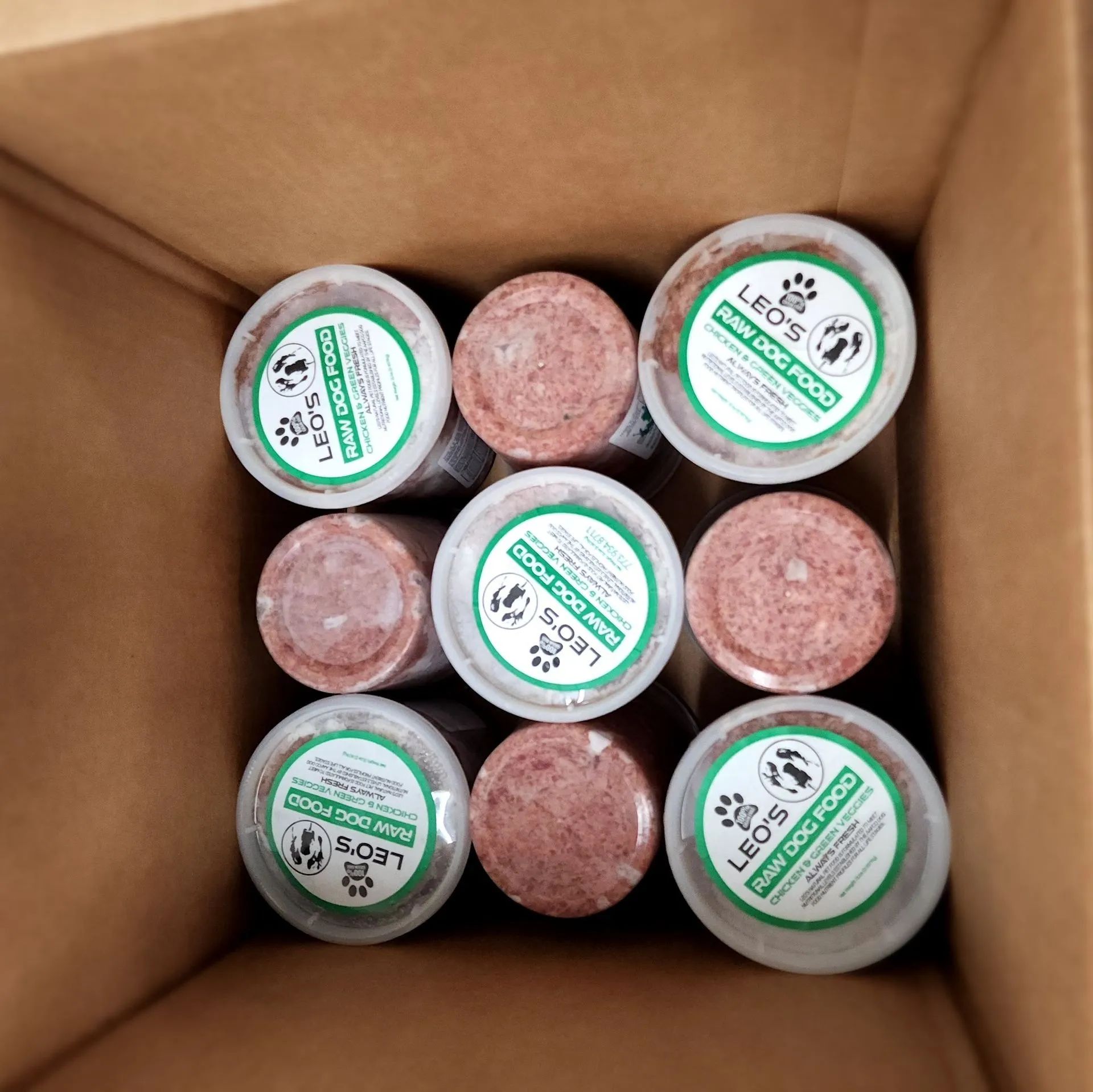
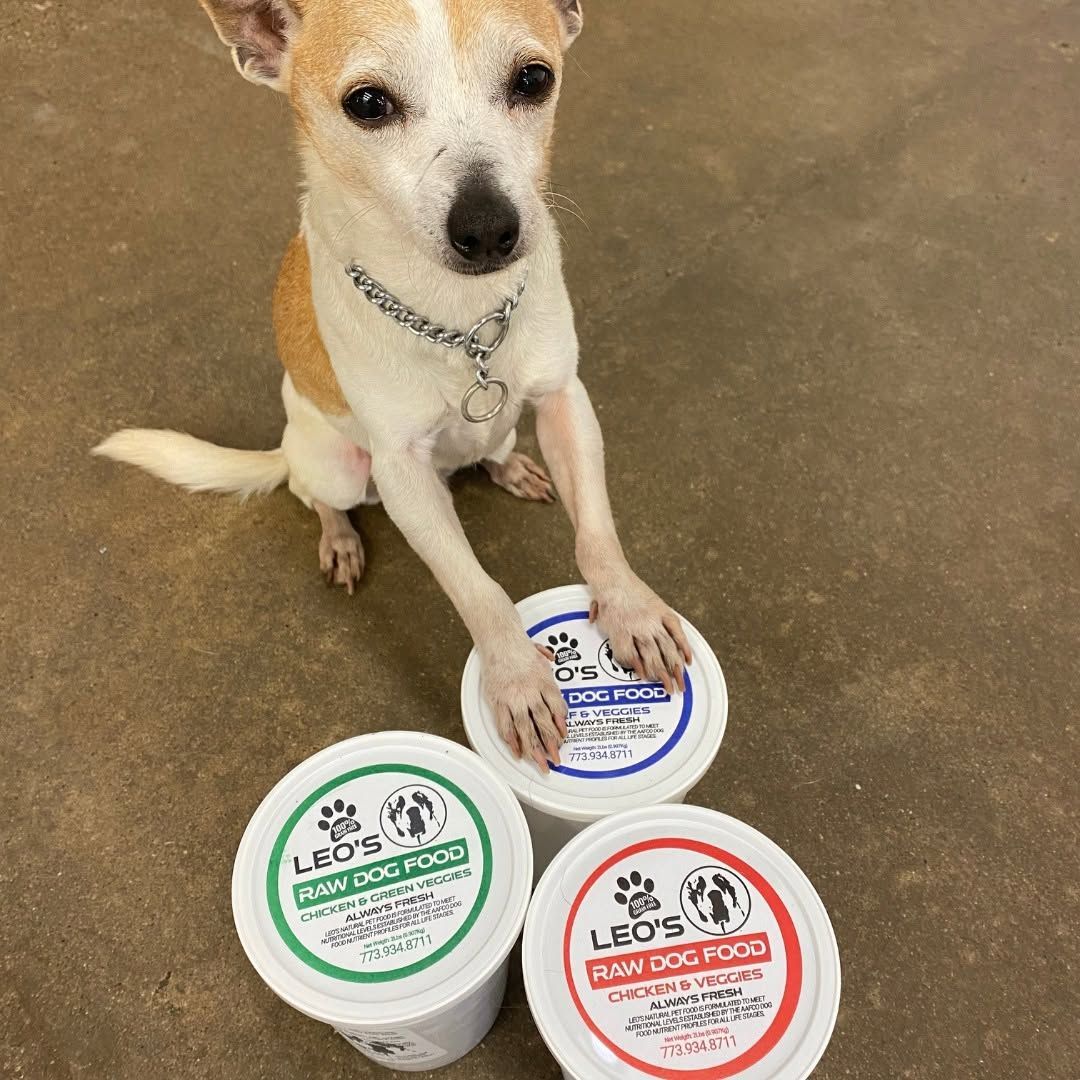
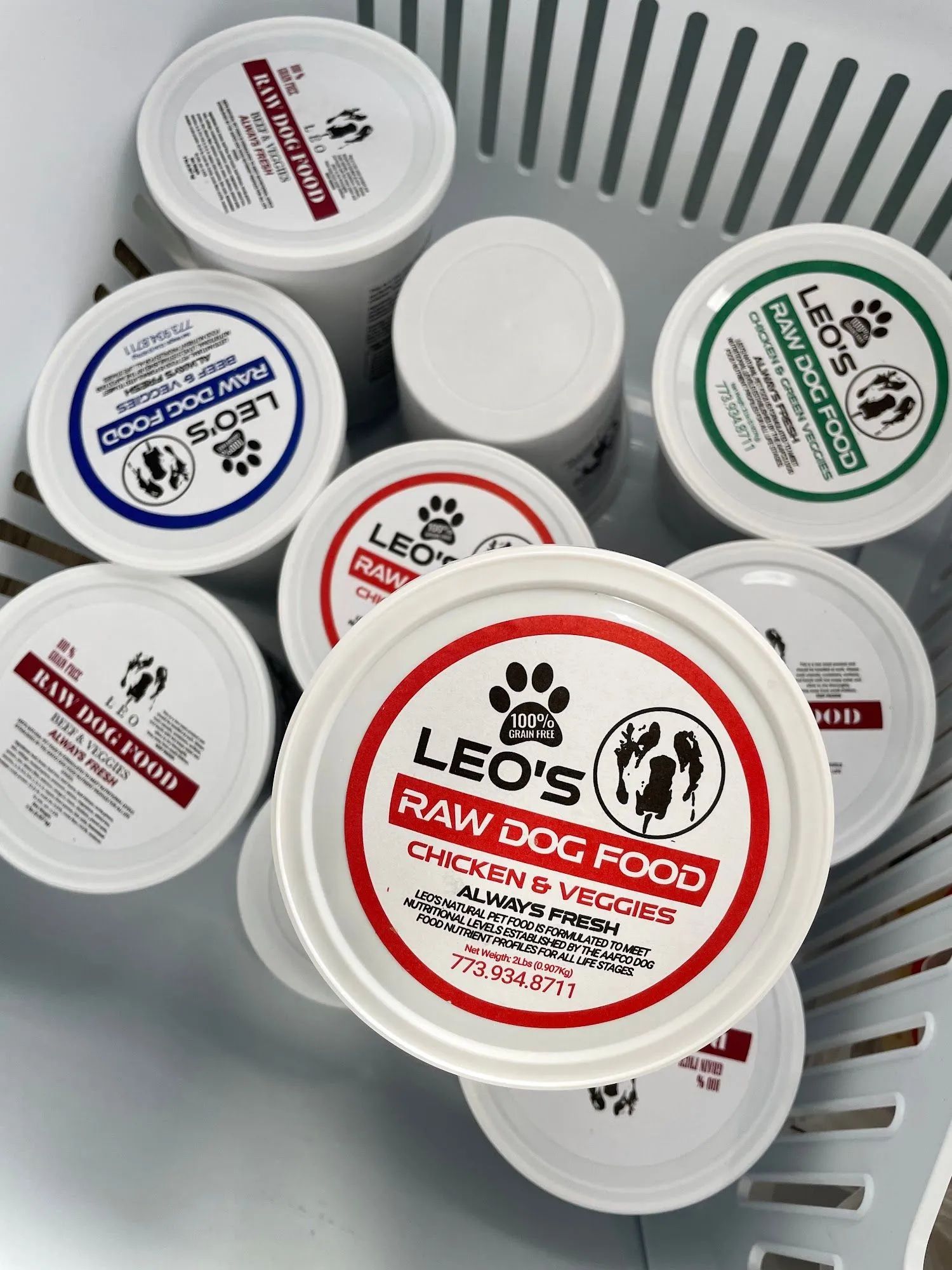
years of experience, Leo's Raw Dog Food, a trusted raw dog food company based in Chicago, Illinois, stands as a reliable authority in the field of canine nutrition. Our commitment to quality, safety, and nutritional excellence ensures that every product supports optimal health and wellbeing. We prioritize responsibly sourced ingredients, scientifically balanced formulations, and rigorous safety standards to provide pet owners with confidence and peace of mind. Our expertise allows us to guide dog owners through the complexities of raw feeding, making the transition seamless and effective. By combining industry knowledge with a passion for animal health, we continue to set the standard for high-quality raw dog food solutions.