Switching Your Dog to Raw Food? A Gentle Transition Schedule That Works
July 22, 2026
Mistakes That Stall the Energy Boost
The fastest way to ruin a raw transition is to rush it. Switching cold from kibble to raw overnight shocks the gut, and the upset stomach that follows gets blamed on raw when the real problem was speed.
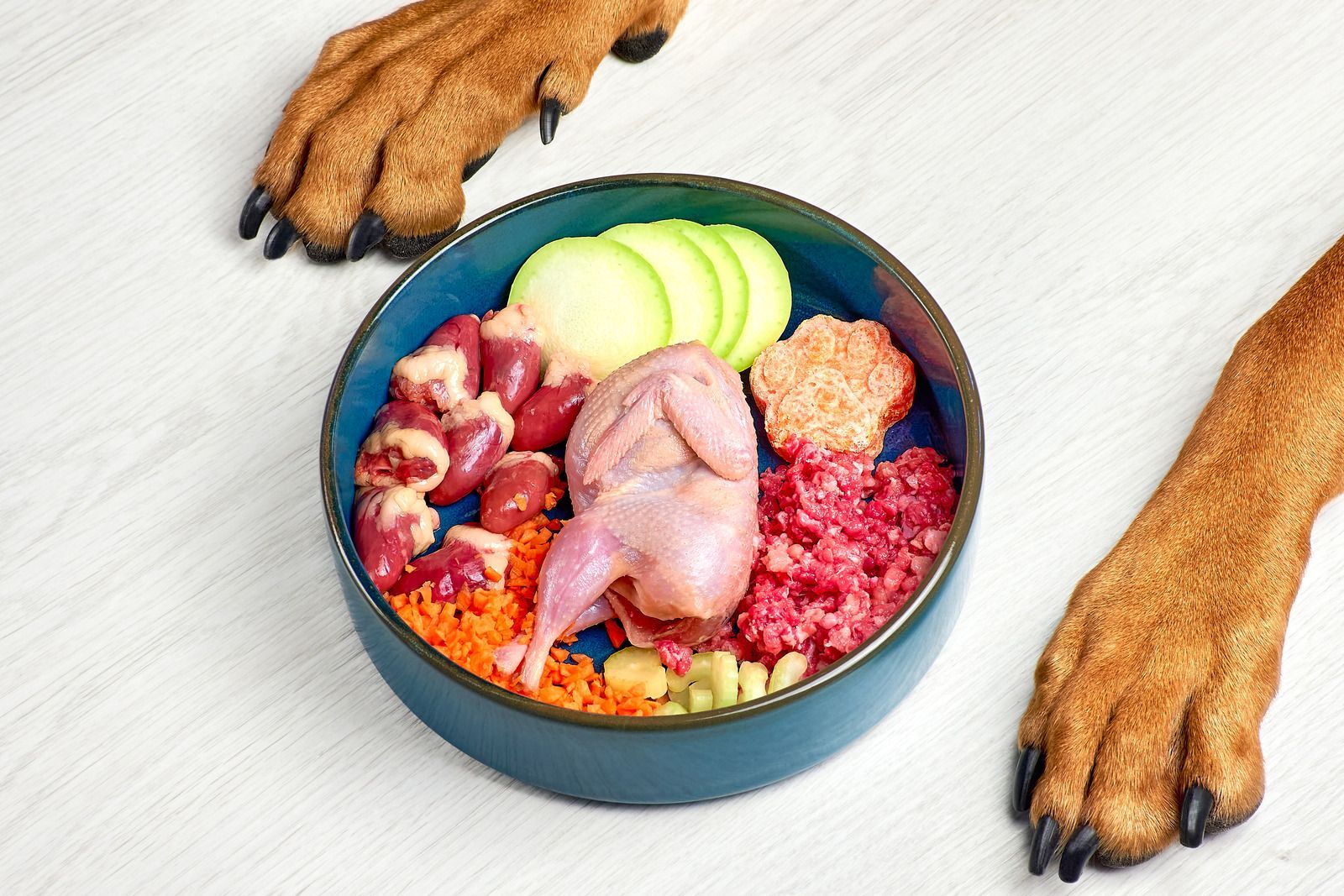
A few stumbles come up again and again. Going all muscle meat is common, because muscle alone leaves out the organ and bone that carry the minerals your dog needs, so the bowl looks great and still falls short. Overfeeding is another, since a dog carrying extra weight moves like it. Underfeeding an active dog does the reverse and leaves it running on empty by mid afternoon.
The last one is patience. Energy is the slowest benefit to show because the body rebuilds itself meal by meal. Coat and stool improve first; stamina takes longer. Give it the full month before deciding it does not work.
Quick Answer
Most healthy adult dogs can move from kibble to
raw food over 1 to 2 weeks by gradually replacing a quarter of the old diet with raw at a time and watching stool consistency along the way. Puppies typically do best starting on a fully balanced raw diet from the first bowl rather than a slow blend. Veterinary nutrition groups recommend at least a few days of gradual mixing for healthy pets, and longer for dogs with a sensitive history. Loose stools in the first several days are common; ongoing vomiting, refusal to eat, or lethargy are signs to slow down and check in with your veterinarian.
The first raw meal usually goes one of two ways. Some dogs plant their nose in the bowl before you've even set it down. Others circle it, sniff twice, and walk away like you've served them a stranger's dinner. Neither reaction tells you much about how the rest of the switch will go. What actually decides that is the days that follow — how the pace is set, what you watch for, and how the meat gets handled between the freezer and the bowl.
Why the Switch Takes Patience, Not Perfection
A dog's gut adapts to whatever it eats regularly. Years of kibble build an environment tuned to a dry, carbohydrate-heavy diet, with enzyme activity and gut bacteria populations set up for that instead of raw. Flip the diet overnight and even a better long-term fit can overwhelm the system for a few days.
That's the whole logic behind a gradual schedule. It gives the gut time to catch up. Dogs switched abruptly usually aren't in real danger, but they're far more likely to have a rough week of stomach upset that scares an owner into quitting early. A measured pace turns that bumpy week into a smooth one.
Before You Begin: What to Have Ready
A single protein to start
Pick one protein source for the first week or two instead of a variety pack. It's much easier to tell whether a reaction came from raw feeding itself or from one specific ingredient this way.
Enough freezer and fridge space
Raw meals need to stay frozen until 24 to 48 hours before serving, then thaw in the refrigerator — never on the counter. Figure out where meals will sit before day one so thawing doesn't turn into a last-minute scramble.
A clean, dedicated prep zone
A cutting board, bowl, and section of counter used only for the dog's food keeps raw meat away from your own cooking surfaces and cuts down on cross-contamination.
A baseline read on your dog
Note your dog's normal stool, energy, and appetite before day one. Skip this step and it's hard to tell a normal transition wobble from something that actually needs attention.
A Day-by-Day Transition Schedule for Healthy Adult Dogs
Treat this as a starting template, not a rule carved in stone. Some dogs move faster. Others need more time at every stage, and that's fine.
Days 1 through 4
Replace about a quarter of the current food with raw, split across meals. Keep the rest of the bowl as the familiar kibble or canned food.
Days 5 through 8
Move to half raw, half old diet. This stretch is usually where the most noticeable stool changes show up, so pay closer attention here than anywhere else in the schedule.
Days 9 through 12
Shift to three-quarters raw. Most dogs have found their rhythm by this point and start eating the new food with real enthusiasm.
Day 13 and beyond
Serve fully raw meals. Once your dog is here, you can start rotating proteins gradually, adding one new one at a time over the following weeks.
Older dogs, or dogs coming off years of a processed diet with a history of a sensitive stomach, often do better on a slower version of this same schedule — a week or more at each stage instead of four days. There's no penalty for taking longer. A settled gut matters more than a fast finish line.
Winters in Chicago add one practical wrinkle worth planning around: frozen raw meals thaw more slowly in a cold kitchen or an unheated back porch fridge than they do in July, so build in extra refrigerator time during the colder months instead of assuming your usual thaw window will hold.
Tip:
Batch-thaw a few days of meals at once on a designated fridge shelf so you're never caught scrambling for a frozen block at dinnertime. Portioning meals into daily containers as soon as they thaw also keeps handling — and mess — to a minimum.
Puppies Skip Most of This
Adult dogs need the slow blend because their systems are used to something else. Puppies don't carry that baggage. Most take to a fully balanced raw diet from their very first meal, no gradual mixing schedule required.
What matters more for a growing puppy is that every single meal is complete and balanced for growth: the right calcium-to-phosphorus ratio, enough fat, and a calorie density that matches a body that's still developing. If a puppy does need a slower start because of an unusually sensitive stomach, keep the meals simple and complete rather than stretching out the old food for weeks on end.
What to Watch For During the Transition
Stool changes
Softer or looser stools in the first several days are common and usually nothing to worry about. Stools that stay loose well past the first week, or that show blood or mucus, are worth a call to your veterinarian.
Appetite shifts
Some dogs eat raw food more eagerly than kibble right away. Others take a meal or two to warm up to the new texture and smell. A skipped meal here and there in week one isn't unusual — a dog that refuses to eat at all for more than a day should be seen by a vet.
Energy and coat
Plenty of owners notice steadier energy and a shinier coat over the following weeks as the diet settles in. It happens gradually. Don't expect a dramatic before-and-after in the first few days.
Weight and body condition
Keep an eye on your dog's waistline through the transition. Portions may need small adjustments once you see how your individual dog responds to raw calories compared to their old diet.
Handling Raw Meat Safely at Home
Safe handling matters as much as the schedule itself, for your dog's health and your household's. Raw meat can carry bacteria such as salmonella, and the same food-safety habits you'd already use for raw meat in your own kitchen apply here too.
Keep it frozen until you need it
Store meals in the freezer and only move them to the fridge to thaw a day or two before feeding.
Thaw in the fridge, not on the counter
Room-temperature thawing lets bacteria multiply. A refrigerator shelf or a sealed container in cold water are the safer routes.
Use dedicated bowls and utensils
Wash your dog's bowl after every meal with hot, soapy water. Don't reach for the same cutting board or knife you use for your own cooking without washing it first.
Wash your hands
Twenty seconds with soap and hot water, both before and after handling raw meals — the same habit you'd use with any raw meat in your kitchen.
Clean surfaces promptly
Wipe down counters and prep areas right after feeding. Keep young children and anyone with a compromised immune system away from handling raw meals directly.
Warning: Never let raw food sit out at room temperature for more than 20 to 30 minutes, and don't refreeze meals that have already thawed. If your dog shows signs of illness such as persistent vomiting, diarrhea, fever, or lethargy at any point during or after the transition, stop and contact your veterinarian rather than waiting it out.
Frequently Asked Questions
How long does it take to fully transition a dog to raw food?
Most healthy adult dogs finish the switch in one to two weeks on a gradual mixing schedule. Older dogs or those with a sensitive digestive history may need three to four weeks, moving to the next stage only once stools have settled.
Can I mix raw food with kibble during the transition?
Yes — mixing raw and kibble in the same meal is the standard way to bring an adult dog over gradually. Once the switch is done, most owners feed fully raw meals rather than blending long-term, since the two food types digest at different rates.
Is it normal for my dog to have loose stools when starting raw food?
Some softening in the first several days is common as the gut adjusts. If it drags on past a week, gets worse, or shows up alongside vomiting or lethargy, call your veterinarian.
What if my dog won't eat raw food at first?
Try warming the meal slightly to bring out more aroma, or lightly searing the outside of the meat for the first meal or two so the texture feels more familiar. Most dogs come around within a few tries once curiosity wins out over hesitation.
Do puppies need the same slow transition schedule as adult dogs?
Not usually. Most puppies can start on a fully balanced raw diet right away, skipping the gradual mixing schedule adult dogs need, since they aren't adjusting away from years of a different diet.
Should I talk to my veterinarian before switching my dog to raw food?
It's a smart move, especially if your dog has an existing health condition, is a puppy, or has a history of digestive sensitivity. A vet can help you time the switch and flag anything specific to watch for with your individual dog.
Getting Through the First Few Weeks
The rough patch doesn't last. Once a dog settles into fully raw meals, the routine gets simple — thaw, portion, serve, clean up, repeat. The pacing and safe handling in those first two weeks are what make everything after them easy, which is really the whole case for following the schedule instead of rushing it. Every dog adjusts on a different timeline, and a few extra days at any stage is a small trade for a gut that settles well and a dog that actually looks forward to the bowl.
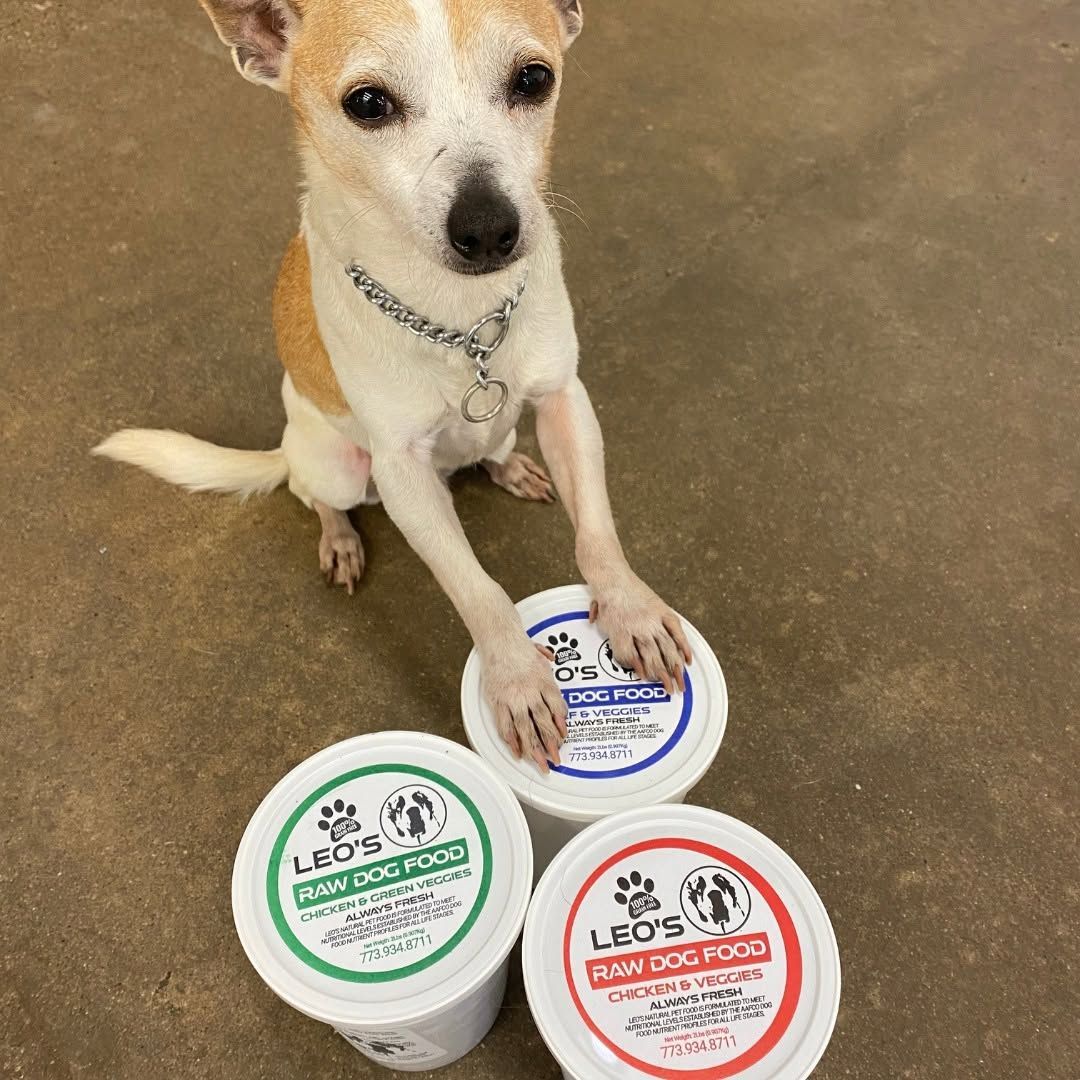
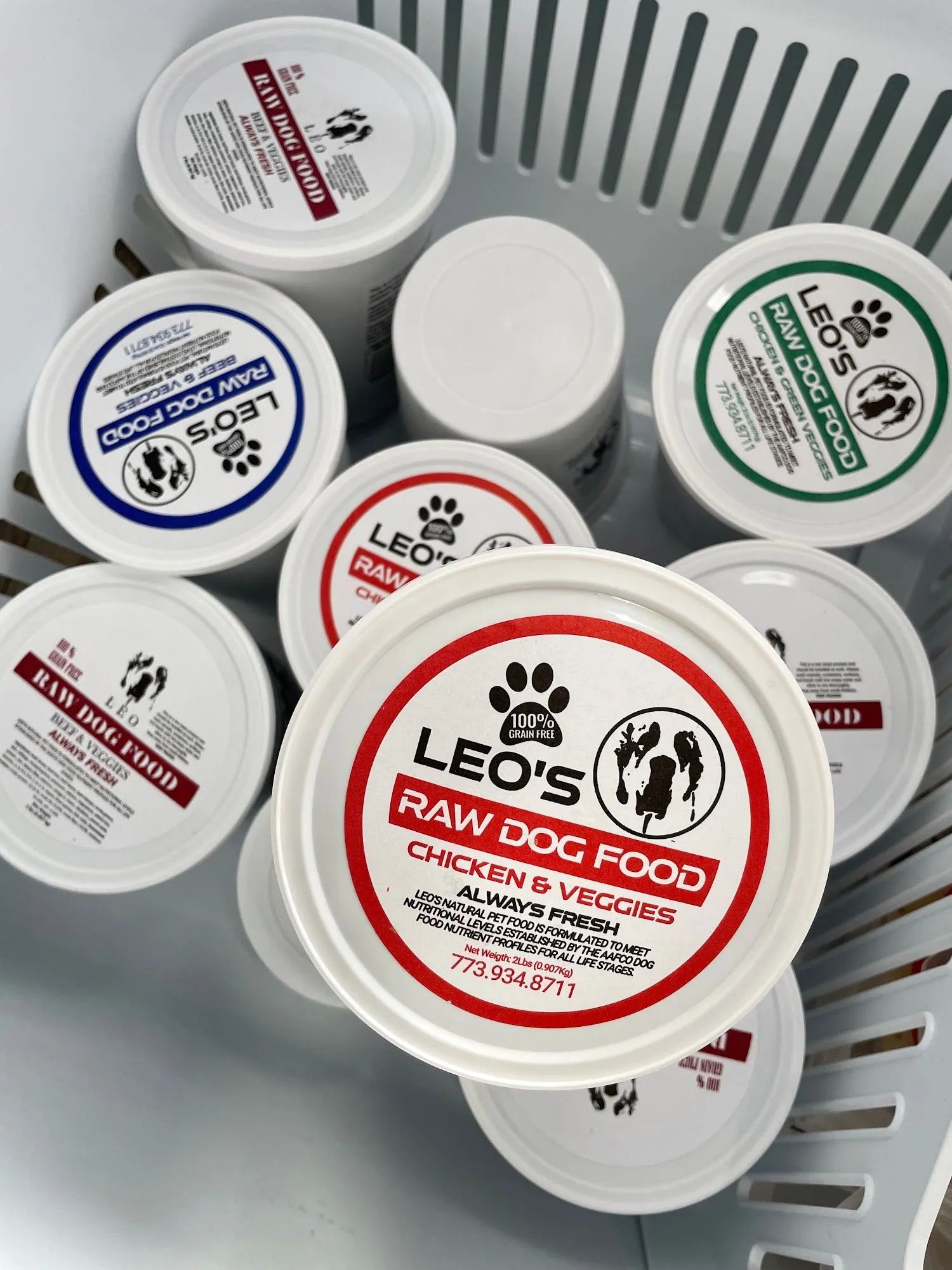
Once your dog is ready for fully raw meals, a single, simple protein makes an easy first complete diet to build the rest of the transition around. Leo's Raw Dog Food
has spent 25
years helping Chicago, IL
owners through exactly this switch, with farm-sourced, 100% raw ingredients, no fillers, and shipping available for households outside the area. Browse the menu or reach out with feeding questions as you work through your dog's transition schedule.