Dog Has a Sensitive Stomach? How to Introduce Raw Food Slowly
August 30, 2026
Mistakes That Stall the Energy Boost
The fastest way to ruin a raw transition is to rush it. Switching cold from kibble to raw overnight shocks the gut, and the upset stomach that follows gets blamed on raw when the real problem was speed.
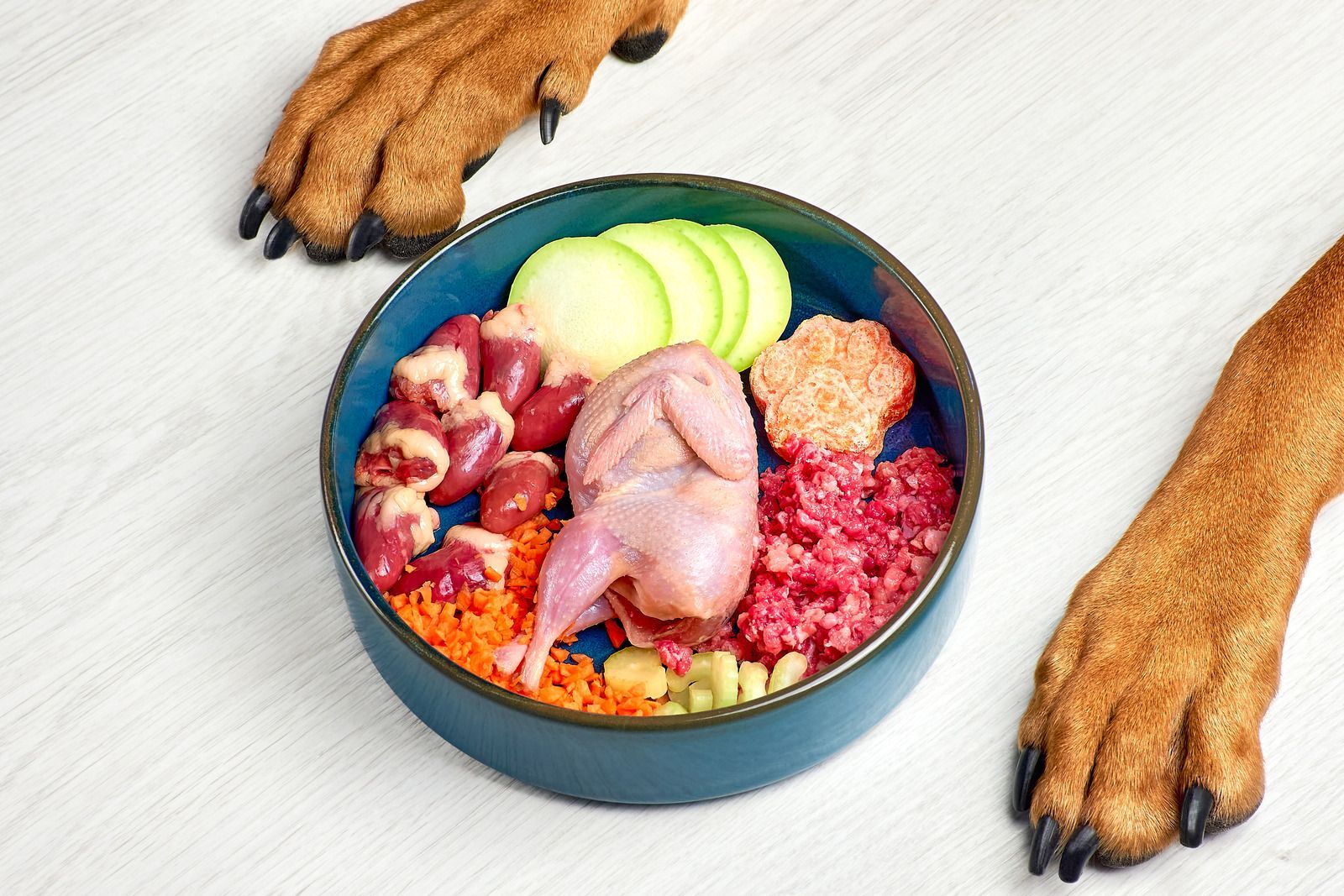
A few stumbles come up again and again. Going all muscle meat is common, because muscle alone leaves out the organ and bone that carry the minerals your dog needs, so the bowl looks great and still falls short. Overfeeding is another, since a dog carrying extra weight moves like it. Underfeeding an active dog does the reverse and leaves it running on empty by mid afternoon.
The last one is patience. Energy is the slowest benefit to show because the body rebuilds itself meal by meal. Coat and stool improve first; stamina takes longer. Give it the full month before deciding it does not work.
Quick Answer
If your dog has a known sensitive stomach, give the raw introduction more room than a standard week-long switch — plan on two to three weeks, sometimes longer, moving in smaller steps than you would for a dog with an easygoing gut. Start with one easily digested protein in a small portion, hold at each new ratio for several days instead of one or two, and let her stool quality set the pace instead of a calendar. Keep every handling step — thawing, storage, clean surfaces — just as careful as the feeding schedule, because a sensitive gut has even less patience for a handling slip than a resilient one does.
Your dog paces by the food bowl at 5:45, an hour before dinner, the way she has every evening for the past year. You know this look. It's the same one that shows up twenty minutes after a treat she shouldn't have had — the one that means a rough night and an early walk around the block at 6 a.m. Some dogs eat almost anything without a ripple. Others tell you, loudly, when something doesn't sit right. If yours is the second kind, switching to raw doesn't mean skipping the idea. It means moving through it differently, with more patience and a closer eye on what her body is telling you.
How to Tell If Your Dog Actually Has a Sensitive Stomach
Not every dog who has an off day after a new food has a truly sensitive stomach, and not every sensitive-stomach dog shows it the same way. Before you plan a transition, it helps to know what you're actually watching for.
Look for a pattern, not a one-time event. A single loose stool after table scraps at a cookout isn't the same thing as a dog who reliably gets diarrhea, gas, or vomiting any time her diet shifts even slightly.
Reaction speed matters too. Dogs with sensitive digestion often react within hours of a new food rather than days, and the reaction tends to be more pronounced — softer stool, more visible discomfort, less interest in the next meal.
History counts as evidence. Has your dog needed a prescription or limited-ingredient diet before? Repeated bouts of loose stool with no clear cause? Does she seem to do best when every meal is identical to the last one? That pattern is worth writing down before you start.
None of this rules raw feeding out. It means the standard week-long schedule that works for most dogs probably needs to be stretched, slowed, and simplified for yours. And because digestive symptoms can point to something that has nothing to do with diet, a dog with frequent or worsening upset should see a veterinarian before you change what's in the bowl — a food switch is never a substitute for ruling out an underlying issue.
Why the Usual Pace Doesn't Work for Every Dog
A typical raw transition mixes in a new food at ten to twenty percent a day, reaching a full switch inside a week. For a dog with a resilient gut, that pace is usually fine. For a dog whose digestion reacts to smaller changes, the same pace can look like backsliding every time you nudge the ratio forward — when really, she just needed more time at each step.
The fix isn't a different food. It's a different clock. Hold each new percentage for three to five days, or longer, before increasing it again, instead of moving every day or two. Start with one protein and add the rest of the recipe in stages once that single protein settles, instead of introducing a full blend of proteins and organ meat at once. The endpoint is still the same complete, balanced raw diet. You're just giving a reactive digestive system more room between each change.
Choosing the Right First Protein
Lean and familiar wins here. Chicken is usually the easiest entry point — a lean, digestible protein most dogs have already eaten in some form, even if only in commercial kibble. If your dog has a known chicken sensitivity, lean turkey is a reasonable substitute.
Skip the mix case for now. Rotational, multi-protein packages are a good long-term goal, but they add more variables than a sensitive stomach needs in week one. Get comfortable on one protein first.
Organ meat deserves its own attention. It's nutrient-dense and rich, and it's often the piece of a raw recipe a sensitive gut reacts to first — sometimes with looser stool even after the muscle meat portion went fine. If your recipe blends organ meat in from the start, introduce it at a lower ratio and give it extra time.
And keep the first portions smaller than usual. A smaller serving, even below what her weight would normally call for, gives you information without asking a reactive system to process a full meal of something new all at once. You can build back up to a full portion over the following days.
Tip: Keep a simple daily log for the first two to three weeks — protein fed, portion size, and stool quality on a basic scale (firm, soft, loose). Patterns that are hard to see day to day become obvious once you can look back over a week, and that log is exactly what a veterinarian will want to see if questions come up.
A Slower Introduction Schedule for Sensitive Digestion
This is one version of a stretched-out schedule. Adjust the pace based on what your dog's stool and appetite tell you — the schedule serves the dog, not the other way around.
Days 1 through 4 are about a small taste of one protein. Offer a small portion alongside her regular food, roughly 10 to 15 percent of the meal, and hold there for the full four days even if things look fine after day one.
Days 5 through 9 bring a gradual increase, still the same protein. Move up in small steps — 20, then 30, then 40 percent — giving two to three days at each stage rather than one. If stool loosens, stop increasing and hold at the last comfortable ratio.
Days 10 through 14 work toward a full portion of that single protein, still watching stool quality daily instead of assuming success just because the calendar says it's time to move faster.
Week 3 and beyond is when you layer in the rest of a complete recipe — organ meat and any additional protein sources, introduced the same careful way you started: small amounts, held for several days, increased gradually.
If a setback happens at any point, the answer isn't to abandon raw feeding. Go back to the last ratio that worked and hold there longer before trying again. A sensitive-stomach dog may simply need more repetitions at each stage than the timeline above suggests, and that's normal.
Safe Handling and Storage While You're Transitioning
A sensitive digestive system has even less room for error around food safety than a resilient one, so this is exactly the stage to be strict about handling — not looser, just because you're only feeding a small amount for now.
Thaw in the refrigerator, never on the counter. Move the day's portion from the freezer to the fridge the night before, in a sealed container so it can't drip onto other food. Room-temperature thawing lets bacteria multiply faster, and it's one of the most common ways raw food handling goes wrong at home.
Treat raw dog food like raw meat for people. Wash your hands with soap and hot water for at least twenty seconds before and after handling it, and use a separate cutting surface or container that isn't shared with your own food prep.
Wash bowls and utensils after every meal — hot, soapy water, not a quick rinse and reuse. Don't use the food bowl itself as a scoop.
Portion it out and refrigerate what's left; don't leave food sitting out. Pull a meal's worth from the freezer, keep unused portions covered and refrigerated, and toss anything that's been out at room temperature for more than a couple of hours.
Keep raw and any other pet foods stored separately during the transition, with different scoops or containers, so surfaces that touch raw meat never cross over to anything else.
These habits matter in every raw-fed household, but they're worth repeating here because a sensitive stomach is more likely to register even a small lapse in freshness as a full-blown reaction — which makes it a lot harder to tell what actually caused a setback.
Signs Your Dog's Gut Is Adjusting Well
Stool that firms up over several days, not overnight, is a good sign. A little softness in the first day or two at a new ratio is common. What you want is steady improvement toward normal, formed stool as the days pass — not a permanent state of looseness.
A steady appetite matters just as much. A dog tolerating the change well tends to approach the bowl with interest, not hesitation, and finishes meals at a normal pace.
No repeated vomiting or straining. Occasional single episodes can happen with any diet change, but repeated vomiting, straining to defecate, or visible discomfort after eating are signs to slow down, not push forward.
Warning: Stop the transition and call your veterinarian if your dog has vomiting or diarrhea lasting more than a day, blood in the stool, repeated vomiting in a short window, lethargy, or won't eat for more than 24 hours. These can signal something beyond a normal dietary adjustment, and a sensitive stomach isn't a diagnosis you should assume on your own — especially in puppies, senior dogs, or dogs with existing health conditions.
Keeping Meals Consistent Once You're Settled
Once your dog is comfortably eating a full raw meal, resist the urge to introduce several new proteins or treats at once just because the hard part is over. Dogs with sensitive digestion usually do best with a slower rotation than dogs with tougher guts — one new protein at a time, weeks apart, not a different meal every night.
Consistent portion sizes and feeding times help too. A dog whose gut reacts to change tends to do better with a predictable routine than with variety for its own sake, at least until she's built up a track record of proteins she handles well. From there, you can widen the rotation gradually, giving each new addition the same careful introduction you used the first time.
Frequently Asked Questions
How long should the transition take for a dog with a sensitive stomach?
Plan on two to three weeks at minimum, but some dogs need longer. Increase raw food gradually, holding each ratio for several days and letting stool quality, appetite, and comfort determine when to progress.
Should I use a probiotic during the transition?
Some dogs may benefit from a plain probiotic during a dietary change, but discuss it with your veterinarian first. They can recommend an appropriate product and confirm it suits your dog's individual digestive needs.
Can I skip organ meat entirely if my dog reacts to it?
Organ meat provides important nutrients in a complete raw diet, so introduce it gradually rather than removing it permanently. If reactions continue despite tiny amounts, discuss alternatives and nutritional balance with your veterinarian before making changes.
Is loose stool always a sign my dog can't handle raw food?
No. Mild, temporary softness can happen during dietary changes and may simply mean your dog needs a slower transition. Persistent, worsening, bloody, or severe diarrhea requires veterinary attention rather than continued experimentation with food.
What if my dog does fine at first, then reacts weeks later?
A delayed reaction may indicate sensitivity to a particular protein or ingredient. Return to the last well-tolerated food, stabilize digestion, then introduce new ingredients individually so you can identify the likely trigger.
Can puppies with sensitive stomachs follow this same slow approach?
Puppies generally need an especially careful transition because digestive upset can lead to dehydration quickly. Use smaller, gradual changes with veterinary guidance, and contact your veterinarian promptly if vomiting, diarrhea, appetite loss, or lethargy develops.
A Gentle Finish For Sensitive-Stomach Dogs
A sensitive stomach can make every dietary change feel like a test of patience, but a slower transition gives your dog the time her digestion needs to adjust. By introducing one protein at a time, keeping portions modest, and waiting for consistently healthy stool before increasing the amount, you can make the process much easier to read and manage. The goal is not to reach a new diet quickly, but to build a routine your dog can comfortably maintain.
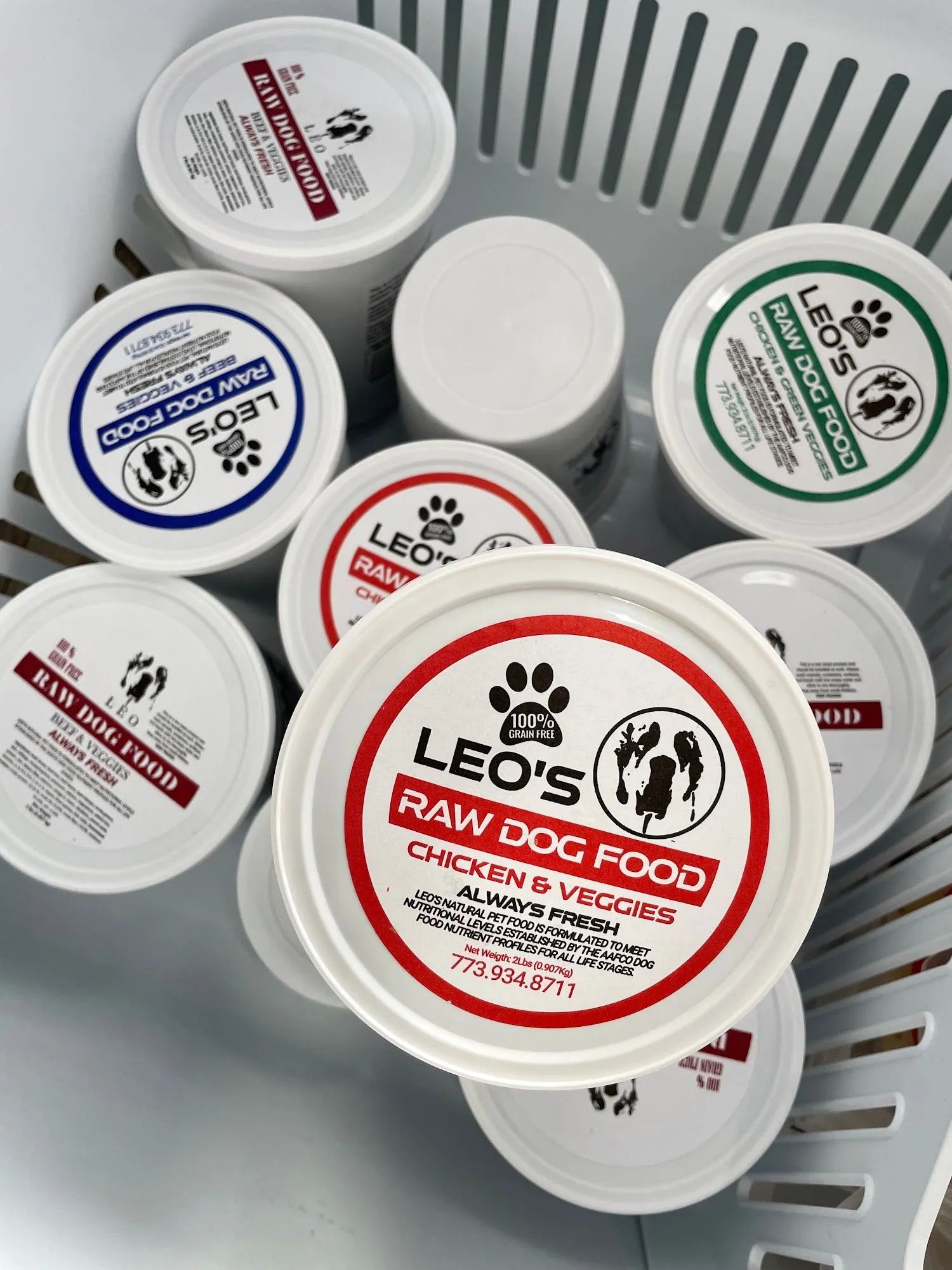
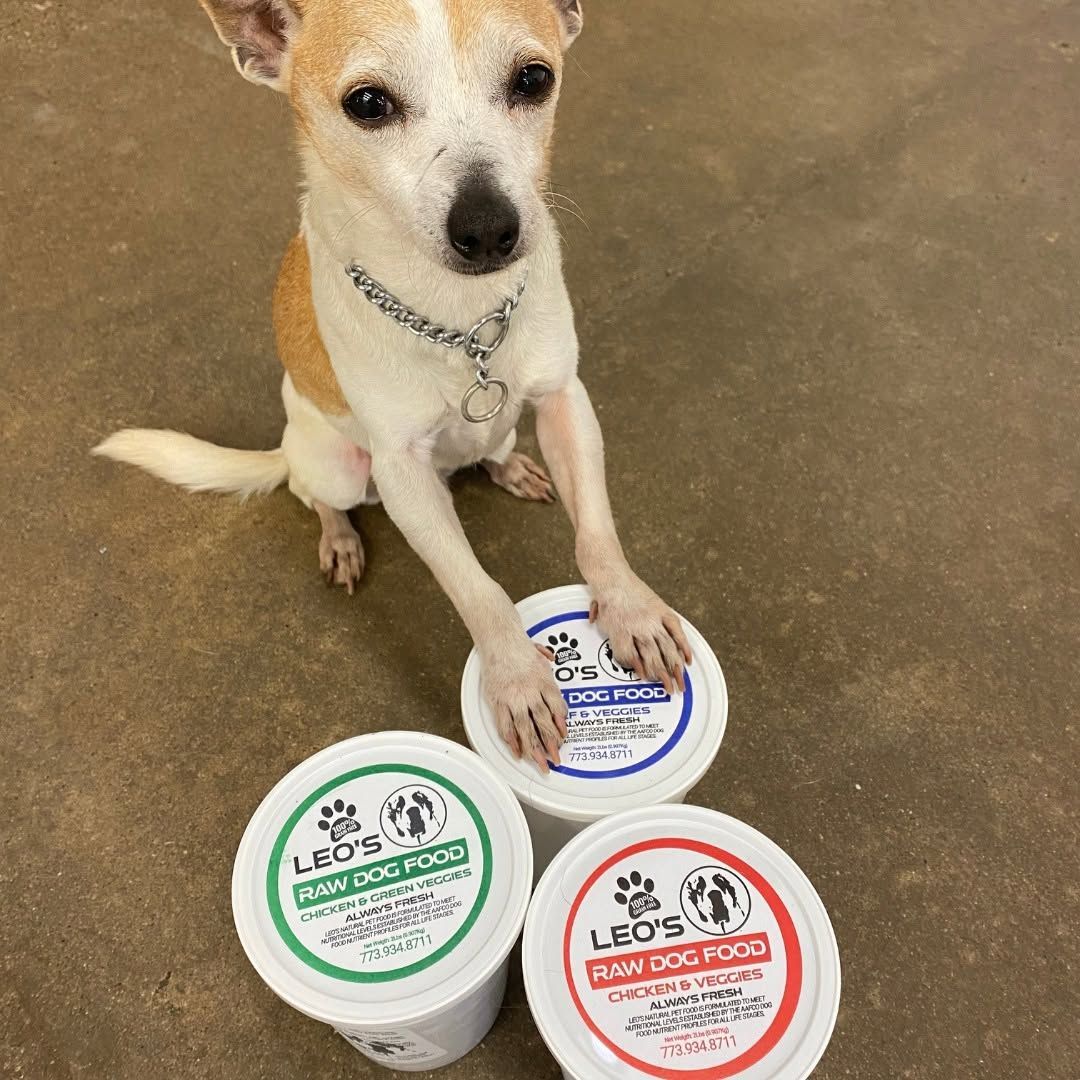
For Chicago dog owners, Leo's Raw Dog Food
brings more than 25+ years of experience to raw feeding and thoughtful dietary transitions. A careful approach, consistent ingredients, and attention to your dog's individual response can help make the move feel less overwhelming. When you let her appetite, stool quality, and overall comfort guide the pace, the transition becomes a gradual process rather than a race to the finish.