How Switching to Raw Dog Food Can Improve Energy Levels
June 27, 2026

You call for a walk and your dog barely lifts a head off the couch. The same dog that used to spin circles by the front door now needs convincing to get up. Maybe the afternoon zoomies stopped months ago, and the slump that used to last an hour after dinner now stretches across the whole evening. You start wondering if this is just age catching up.
Here is the part most owners miss. A slowdown like that often has nothing to do with getting older. More often than not, it traces back to the bowl. What your dog eats becomes the fuel it runs on, and a diet built mostly around starch and filler leaves little behind for play, stamina, or the bright eyed alertness you remember. After feeding dogs across Chicago for decades, we have watched flat, sluggish dogs come back to life within weeks of a diet change. Not from a supplement or a new toy. The food finally gave them something to burn.
Why Your Dog Crashes After Eating
Watch your dog after a big bowl of kibble and you see the same pattern: a few minutes of interest, then a heavy nap. That post meal crash is a digestion story.
Most dry food leans on starches and grains to hold the kibble together. Your dog's body was never built to run on that much carbohydrate. When a meal is packed with starch, blood sugar climbs fast and drops just as hard, and that drop is the slump you see on the floor an hour later. A big share of the meal also passes through as filler your dog cannot use, so labeled calories never fully reach the muscles.
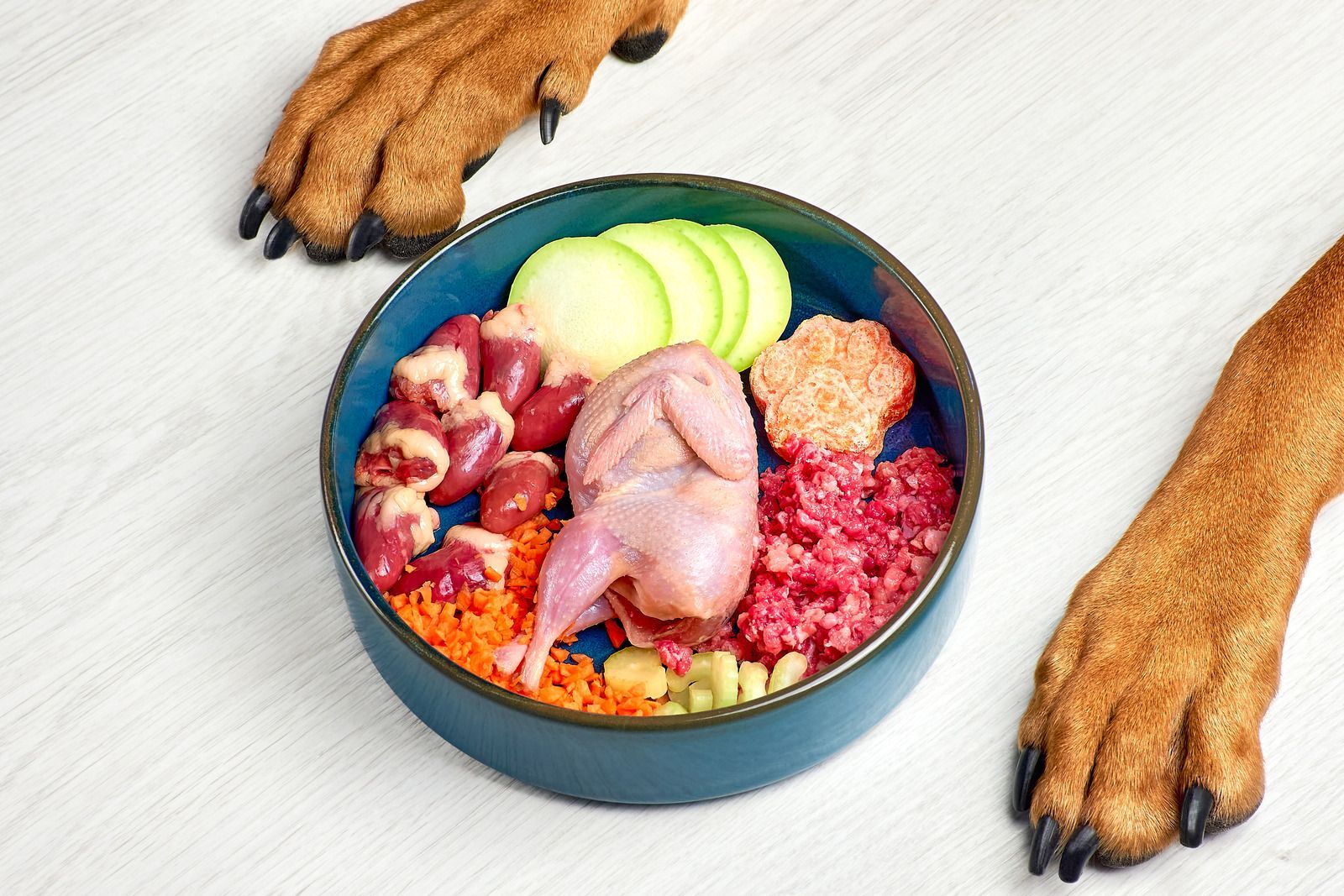
Raw feeding flips the fuel source. Meat, organ, and bone give your dog protein and fat as the main energy supply, which burns slower and steadier than starch. No sugar spike, no hard crash. Just a level line of energy that carries through a long walk along the lakefront instead of fizzling out by the second block.
What Changes Inside Your Dog on Raw
The real shift happens at absorption. Raw protein and fat arrive in a form your dog's gut recognizes and pulls apart easily, so more of every meal gets used.
Heat strips some nutrient value from cooked food. Raw keeps the amino acids, natural fats, and moisture intact, so your dog works less to break a meal down and keeps more of it. That spare effort shows up as energy: a faster trot, more interest in the ball, a dog that wants the second lap.
Moisture matters. Dry food sits near ten percent water while a raw meal runs closer to seventy, and a well hydrated dog moves better and tires slower, which is no small thing during a humid Chicago August.
The quiet driver is the gut. When digestion runs clean, your dog stops spending energy fighting its own food and spends it on living instead. Firmer stool and less gas point to a system finally working with the diet.
When You Will Actually See the Difference
Energy gains from raw feeding follow a predictable curve, and knowing it keeps you from quitting too early.
The first three or four days are an adjustment. Your dog's gut is recalibrating, and you may see a looser stool or a cautious appetite. By the end of the first week, digestion settles and the stomach calms down.
The energy itself tends to arrive in week two to week four. Your dog gets up faster, lingers less, asks for the walk instead of dreading it. By the one month mark, most owners describe a dog that simply acts younger, and the coat often brightens too. Push through that first week. We have seen owners pull the plug on day five over a soft stool and miss the payoff three days out.
Mistakes That Stall the Energy Boost
The fastest way to ruin a raw transition is to rush it. Switching cold from kibble to raw overnight shocks the gut, and the upset stomach that follows gets blamed on raw when the real problem was speed.
A few stumbles come up again and again. Going all muscle meat is common, because muscle alone leaves out the organ and bone that carry the minerals your dog needs, so the bowl looks great and still falls short. Overfeeding is another, since a dog carrying extra weight moves like it. Underfeeding an active dog does the reverse and leaves it running on empty by mid afternoon.
The last one is patience. Energy is the slowest benefit to show because the body rebuilds itself meal by meal. Coat and stool improve first; stamina takes longer. Give it the full month before deciding it does not work.
How Chicago Weather Shapes Your Dog's Energy
Chicago asks a lot of a dog's metabolism, and the diet has to keep pace with the season.
Winter is the big one. When the wind comes off the lake and the cold settles in for weeks, your dog burns extra calories just staying warm. Raw makes that easy to adjust, since you can lift the fat content slightly through the coldest stretch and keep your dog fueled for freezing walks. The right winter portion holds energy instead of letting a dog slide into hibernation mode from December through March.
Summer flips it. Humid July and August days kill appetite and raise the overheating risk, and the high moisture in a raw meal keeps your dog hydrated when it is least interested in drinking. Lighter portions through the heat hold energy steady without weighing a dog down.
Short winter days and long hours inside a city apartment cut natural activity too. Match the portion to the real day, lighter on couch days and fuller on lakefront days, and the energy stays honest.
Keeping Energy Steady Year Round
Steady energy is less about one perfect meal and more about a few habits. Feed on a consistent schedule, since a dog that eats at the same times runs on a predictable rhythm. Keep muscle meat, organ, and bone in proportion across the week rather than chasing perfection at every meal. Watch the waistline over the scale, feeling ribs under a light layer without seeing them. Adjust with the seasons, and keep fresh water down at all times, since a Chicago summer pulls it from a dog fast.
Frequently Asked Questions
How long before I notice more energy after switching to raw?
Most dogs show clear energy gains between two and four weeks in, though digestion settles within the first week. Coat shine often appears before stamina does. Give the full month before judging results, since the body rebuilds gradually rather than overnight from one full bowl.
Is raw dog food safe to handle in my kitchen?
Yes, with the same care you give raw meat for yourself. Wash bowls, surfaces, and hands after every serving, store portions frozen until use, and thaw in the fridge rather than on the counter. Sensible handling keeps both your dog and your whole family safe.
Does Chicago winter change how much I should feed?
It can. Through the coldest weeks your dog burns extra calories holding body heat, so a slightly larger or higher fat portion helps maintain energy on freezing lakefront walks. Trim back once spring arrives, since the same winter portion adds weight in milder spring weather.
Can older or low energy dogs still benefit from raw?
Often more than young dogs do. Senior dogs frequently slow down from sluggish digestion rather than true aging, and an easier to absorb diet can return real spring to a tired step. Energy gains take a little longer here but usually still show up anyway.
Can I mix raw with kibble to ease the change?
We usually advise against feeding both in the same meal, since raw and kibble digest at different speeds and the mix can upset the stomach. A cleaner path is replacing one full meal at a time across a week until the bowl is fully raw.
Reliable Raw Feeding Guidance You Can Count On
Energy is a fuel problem before it is an age problem, and the fuel sits right there in the bowl. In a city like Chicago, where winters demand more and humid summers demand smarter, a diet built around real meat gives your dog a steadier tank to draw from across every season. A flat dog is often a misfed dog, not an old one.
If your dog has been dragging and you want to see what a real diet change can do, we would love to help. At Leo's Raw Dog Food, we have spent more than 25
years helping Chicago dogs eat better and move better, with custom raw plans built for your dog's size, age, and activity. We serve owners across Chicago, Illinois. Bring us your sluggish couch dog and let us put the spark back.